









Social media is an extremely powerful marketing tool for businesses of all sizes. But while posting content and growing a following can feel productive, it raises the important question of how do you actually measure success?
Likes and followers can look impressive on the surface, but they don’t always tell the full story. Understanding the right metrics is what turns social media from a guessing game into a measurable, results-driven strategy.
Tracking the right data, can allow businesses to see what’s working, what needs improvement, and how social media is contributing to real business growth.

Start With Clear Goals
Before diving straight into metrics, it’s imperative to define what success looks like for your business specifically.
Common social media goals include:
- Increasing brand awareness
- Driving website traffic
- Generating leads or enquiries
- Boosting engagement with audiences
- Supporting sales and conversions
Metrics only matter if they align with your goals.
Awareness Metrics: Are People Seeing Your Content?
The first stage of social media success is visibility. If your content isn’t reaching people, it can’t drive engagement or conversions.
Key awareness metrics include:
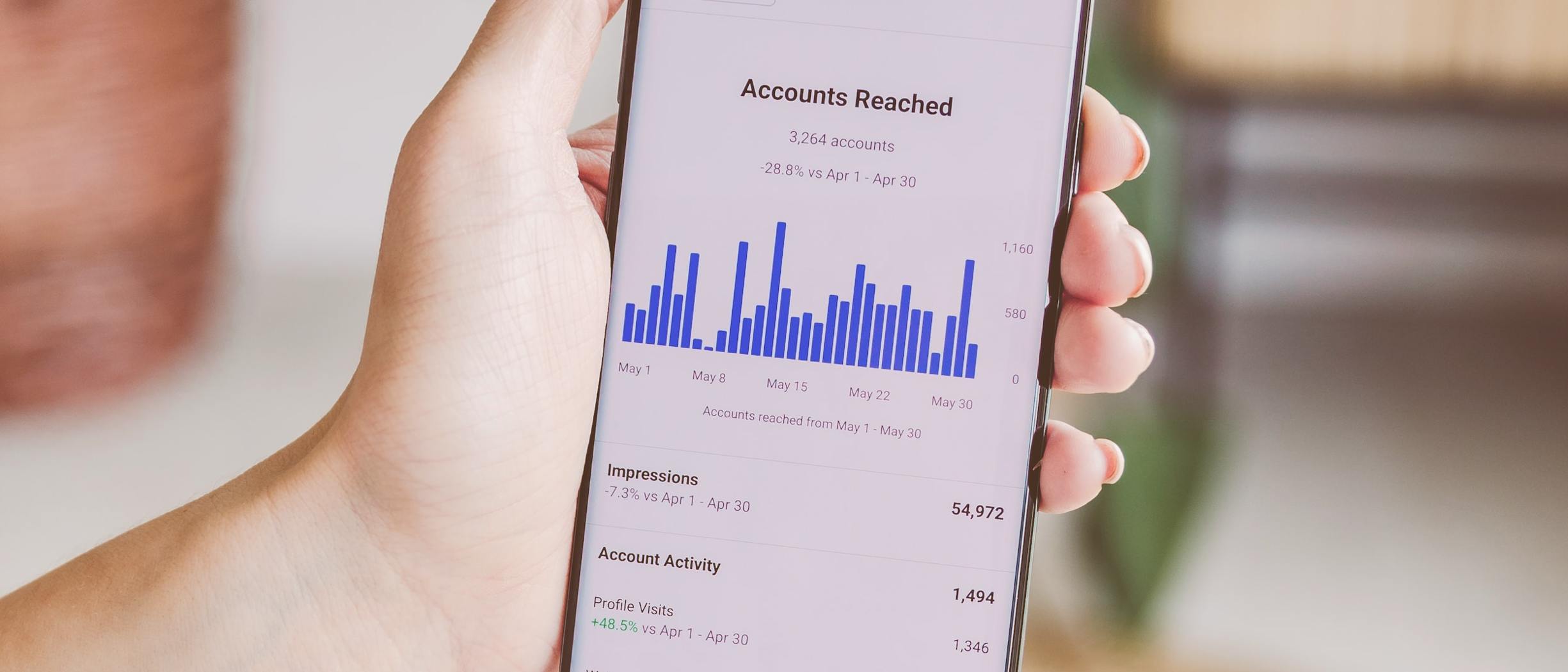
Reach
Reach measures the number of unique users who have seen your content. It’s one of the best indicators of how far your message is spreading.
Impressions
Impressions show how many times your content has been displayed, regardless of whether it was clicked or interacted with.
Follower Growth
Tracking follower growth helps you understand whether your audience is expanding over time. A steady increase often indicates that your content strategy is resonating.
Video Views
For video-based platforms like TikTok, or Instagram Reels, views can indicate how effectively your content captures attention.
While awareness metrics don’t always directly contribute to business growth, they play an important role in getting your brand in front of the right audience.
Engagement Metrics: Are People Interested?
Once people see your content, the next question is whether they interact with it.
Key engagement metrics include:
Engagement Rate
Engagement rate measures interactions (likes, comments, shares, saves) relative to the number of people who saw your content. This metric is often more valuable than raw engagement numbers because it shows how well content resonates with the audience.
Likes
Likes provide a quick signal that people appreciate the content. While they shouldn’t be the only metric tracked, they still offer insight into audience reactions.
Comments
Comments often indicate deeper engagement, as users are taking time to respond or join the conversation.
Shares
Shares can significantly expand your reach and are a strong indicator that your content provides value or interest.
Saves
On platforms like Instagram and TikTok, saves suggest that users find the content useful enough to revisit later.
Strong engagement typically means your content is relevant, interesting, and reaching the right audience.

Conversion Metrics: Are You Driving Business Results?
While awareness and engagement are important, most businesses ultimately want social media to contribute to real outcomes.
Key conversion metrics include:
Website Traffic
Tracking how many users click through to your website from social media helps measure interest and intent.
Lead Generation
This might include contact form submissions, newsletter sign-ups, or enquiry forms completed after users visit your site.
Purchases
For businesses selling products or services online, tracking purchases originating from social channels provides clear evidence of ROI.
Conversion Rate
Conversion rate measures the percentage of users who take a desired action after clicking through from social media.
These metrics are often tracked using tools such as platform analytics, Google Analytics, or tracking links.
When social media data connects directly to leads or sales, it becomes much easier to demonstrate its value.

Community Metrics: Are You Building Relationships?
Brands shouldn’t think of social media purely as a broadcast platform, it’s also a place to build relationships and connect with your customers.
Key community metrics include:
Response Time
How quickly a brand responds to messages or comments can significantly impact customer perception.
Conversation Quality
Not all engagement is equal. Meaningful conversations in comments or messages often signal strong audience connection.
Returning Engagement
If the same followers regularly engage with your content, it suggests you’re building a loyal community rather than attracting one-off interactions.
For hospitality, local businesses, and service-based brands, these relationship metrics can be incredibly valuable.

The Problem With Vanity Metrics
One of the biggest mistakes businesses make when measuring social media success is focusing too heavily on vanity metrics, which are numbers that look impressive but don’t necessarily reflect meaningful impact.
Examples of vanity metrics include:
- Large numbers of likes without conversions
- High follower counts with low engagement
- High video views but little interaction
These numbers can still provide useful insights, but they shouldn’t be the sole indicators of performance.
A strong social media strategy focuses on metrics that link activity to outcomes.
Turning Metrics Into Strategy
Data is only valuable if it leads to better decisions. So, by regularly reviewing performance metrics, agencies and marketing teams can refine their approach and improve results over time.
Insights from social media metrics can help identify:
- The types of content audiences engage with most
- The best times to post for your audience
- Which platforms deliver the strongest results
- Which campaigns drive traffic or conversions
Instead of relying on assumptions, businesses should use data to guide their strategy and maximise the impact of their social media efforts.
Overall, social media success isn’t just about posting regularly or growing your follower count, it’s about understanding what the numbers are actually telling you. By focusing on the metrics that matter and using them to inform your strategy, businesses can turn social media into a channel that delivers real, measurable results.
If you’re unsure of where to start, or want to get more value from your data, our social media services can help you. We help businesses make sense of their social media metrics and turn insights into meaningful growth.