


7 pages
The internal SOP required to change a single website banner
8 → 1
Separate sites consolidated into one backend
7pages
The internal SOP required to change a single website banner
100+
Hours saved in editing time per year
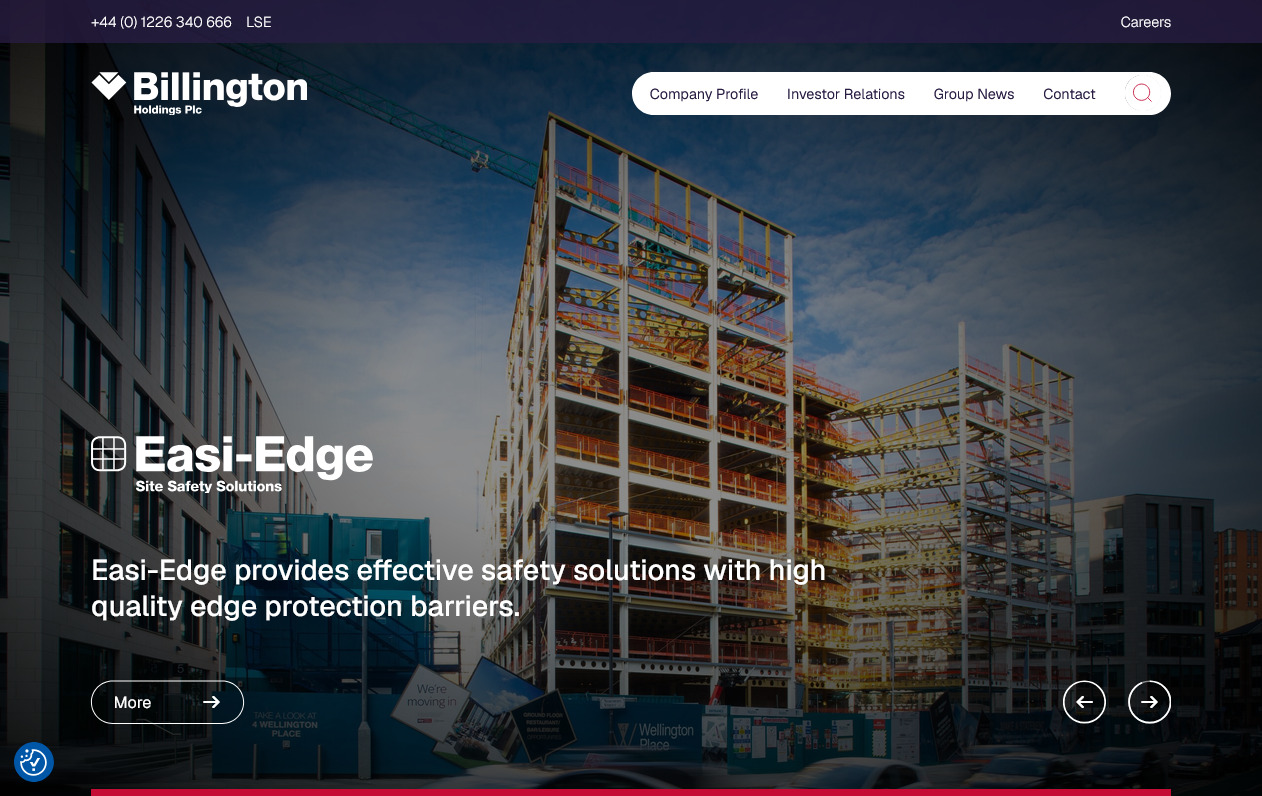
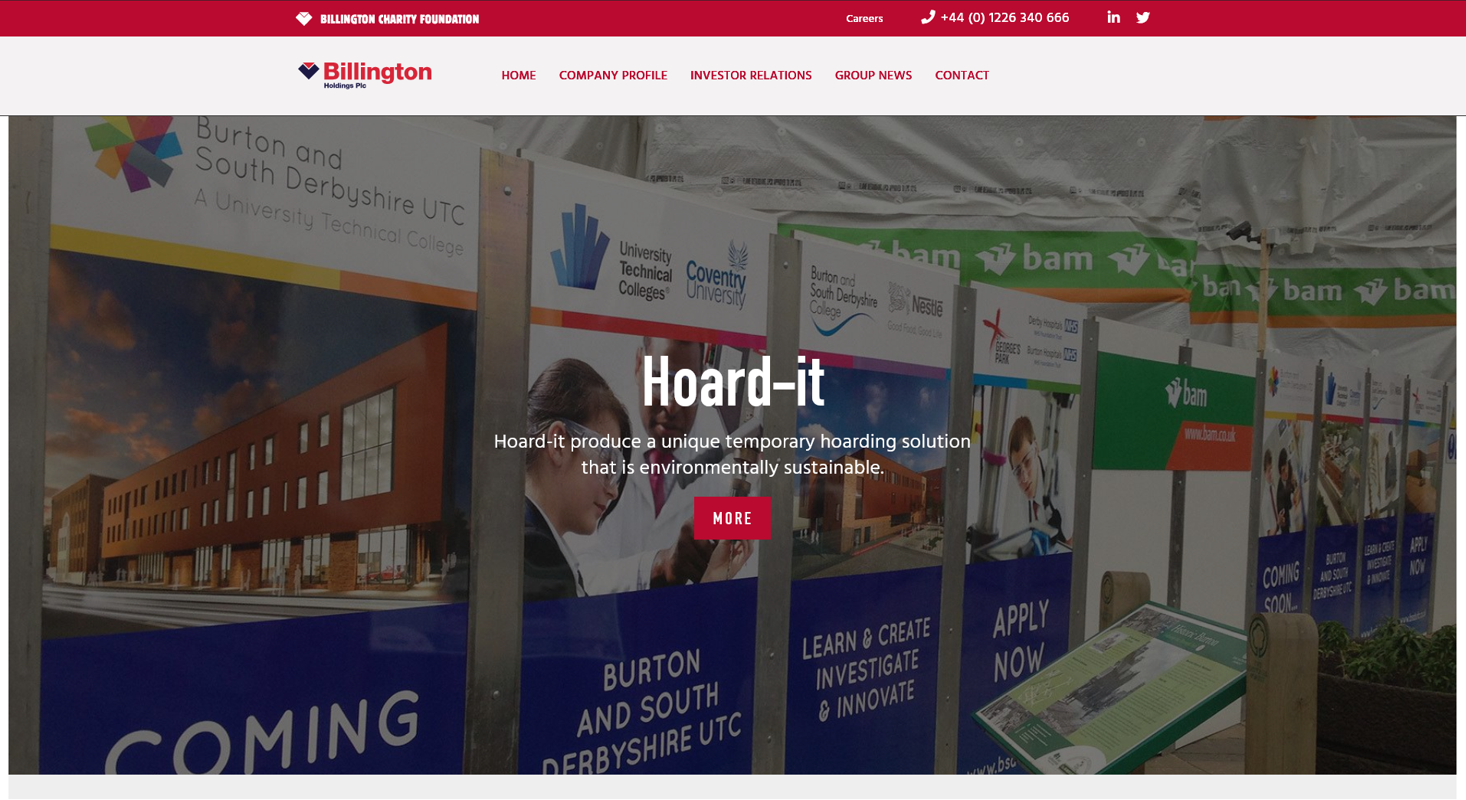
Billington Holdings PLC is a publicly listed structural steel and construction group based in South Yorkshire, with a strong reputation and a portfolio of distinct subsidiary businesses – and eight separate websites to match. On paper, that’s manageable. In practice, it had become a significant operational problem.
The sites were built on WPBakery, a page builder that had long since outgrown its usefulness for a business of this size. Routine updates such as; changing a banner, updating a contact detail, refreshing a news article, all required multi-page internal SOPs just to carry them out safely. What should have taken minutes was taking hours, and the burden fell disproportionately on a small marketing team who had better things to do.
Managing eight separate installs also meant eight sets of updates, eight points of failure, and no easy way to share content or branding across the group. The sites looked inconsistent and didn’t reflect the scale or professionalism of the business.
Billington needed a single platform their team could actually own, without raising a ticket every time something needed changing.
The internal SOP required to change a single website banner
How long that same update takes now, with no training required
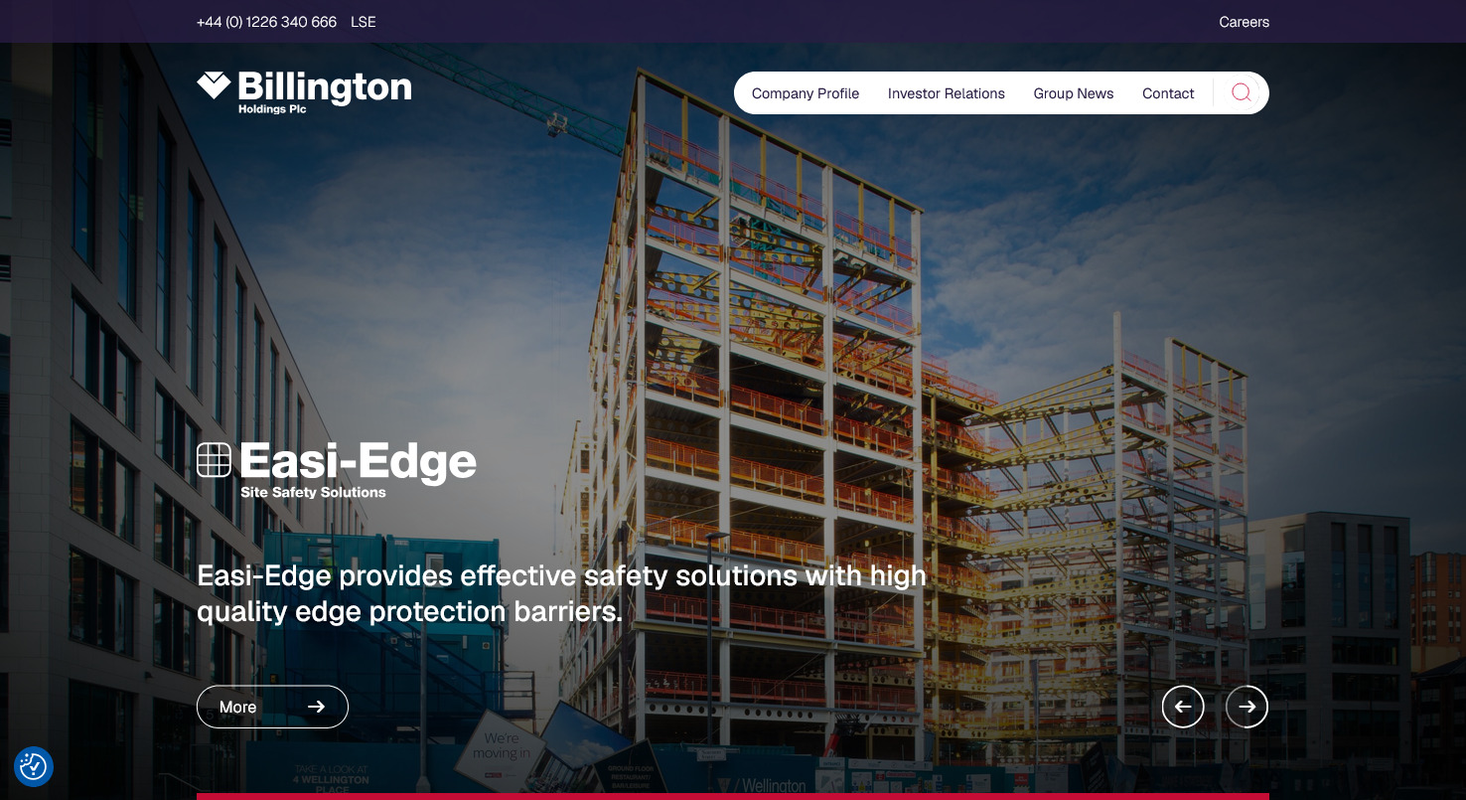
We proposed rebuilding all eight sites on a single WordPress Multisite platform; one codebase, one backend, one login. Each subsidiary keeps its own identity through distinct branding and colour schemes, but everything is managed centrally.
We replaced WPBakery entirely with a custom theme built on structured content blocks, providing the kind of intuitive editing experience where the marketing team can update a banner, swap an image, or publish a news article in under a minute, without documentation, without a developer, and without breaking anything.
Each content type; projects, news releases, careers pages, and case studies, was designed as a reusable template, so updates ripple consistently across the group.
Design was handled collaboratively, with feedback built into the process at the right stages rather than dropped on the team at the end.
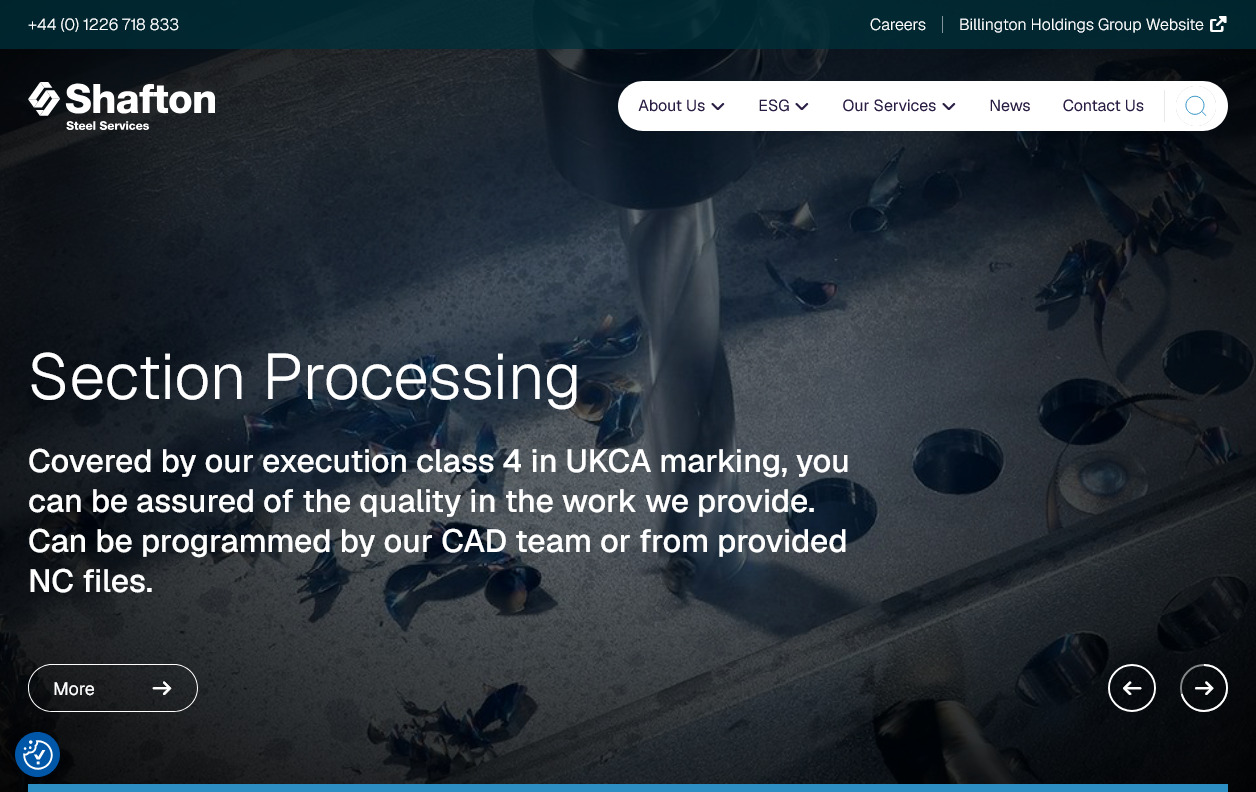
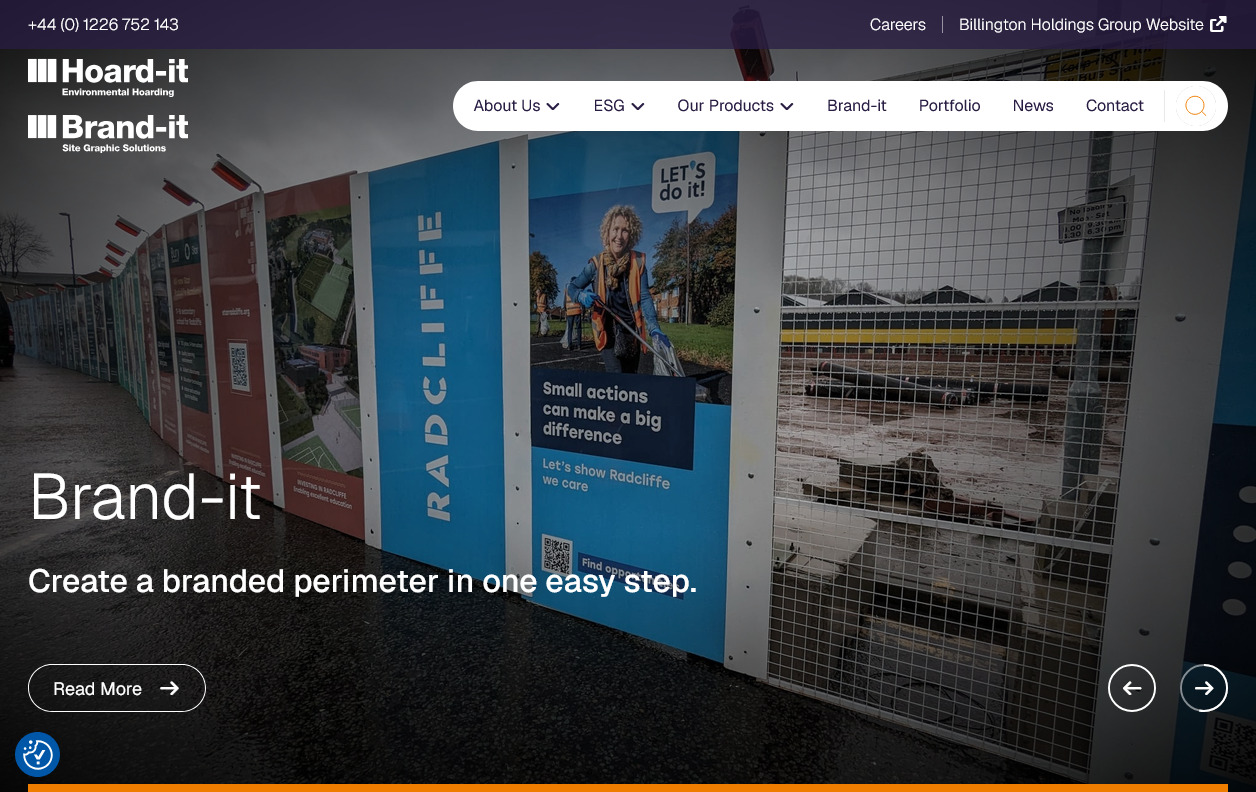

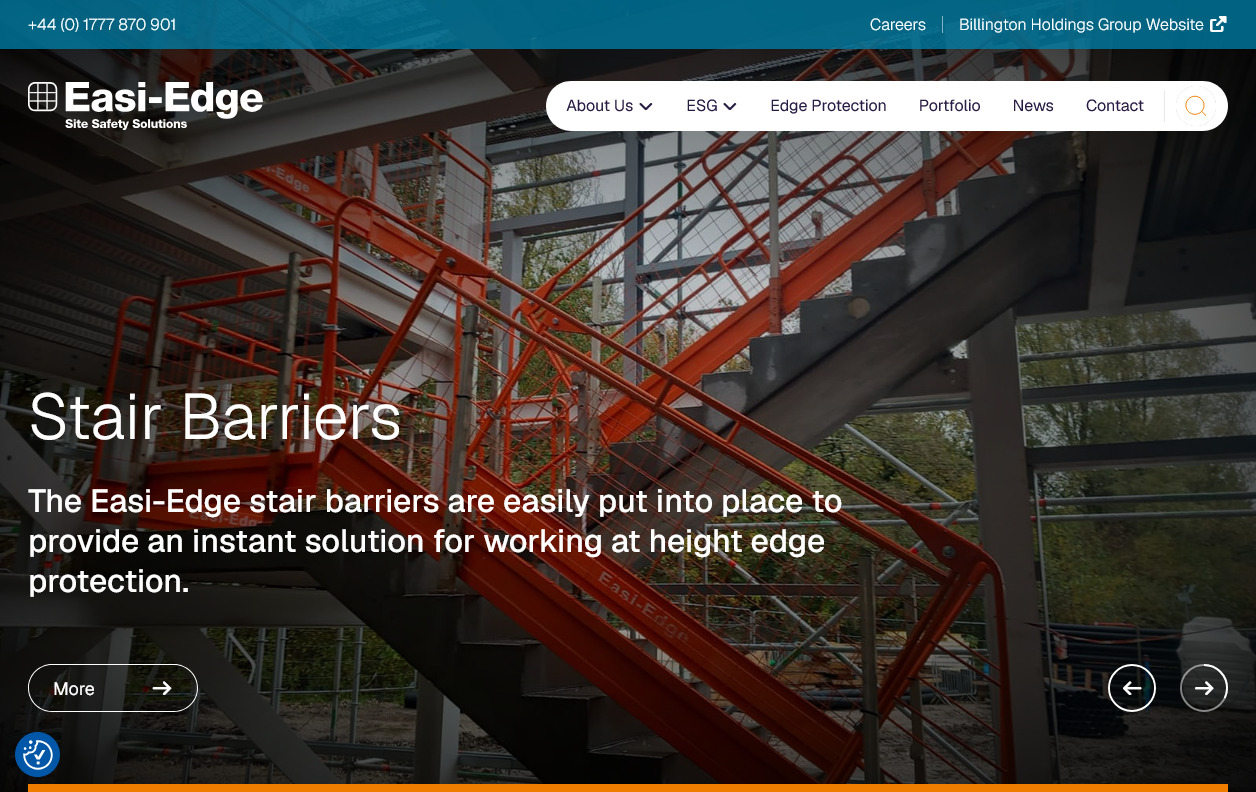
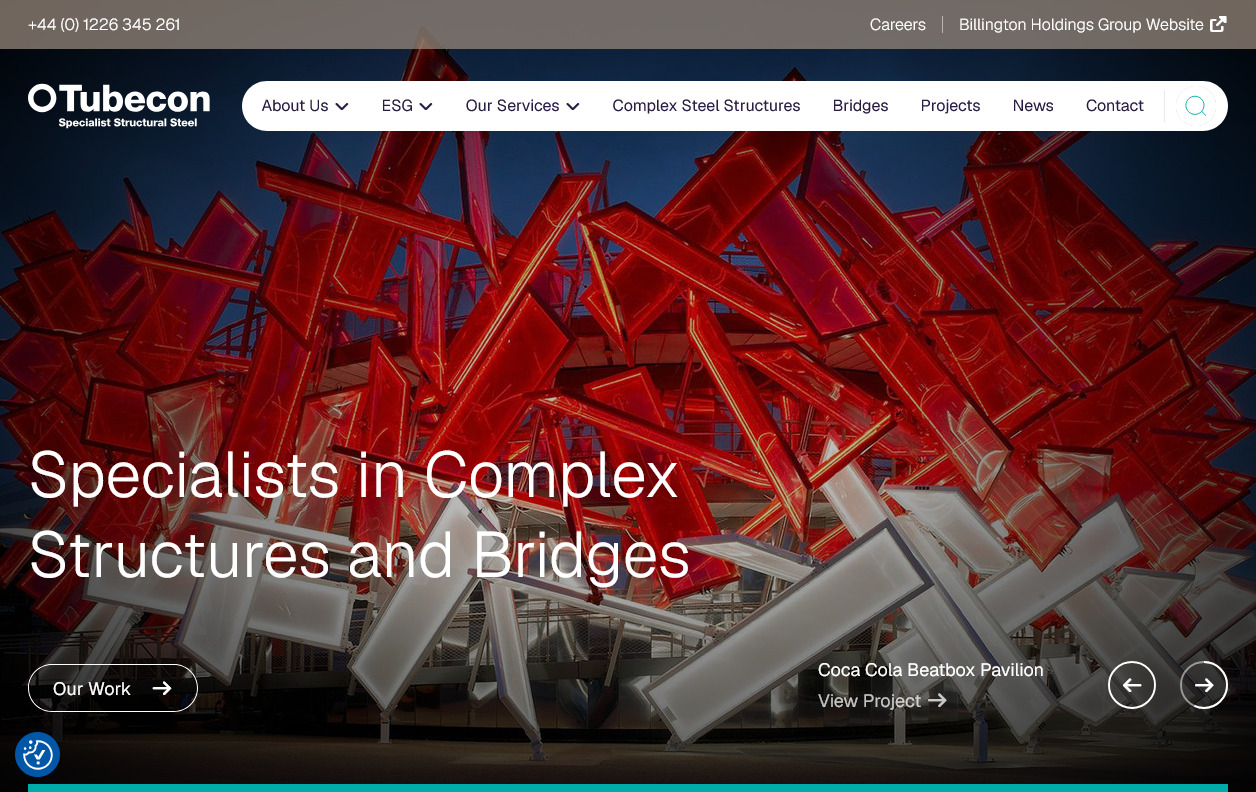
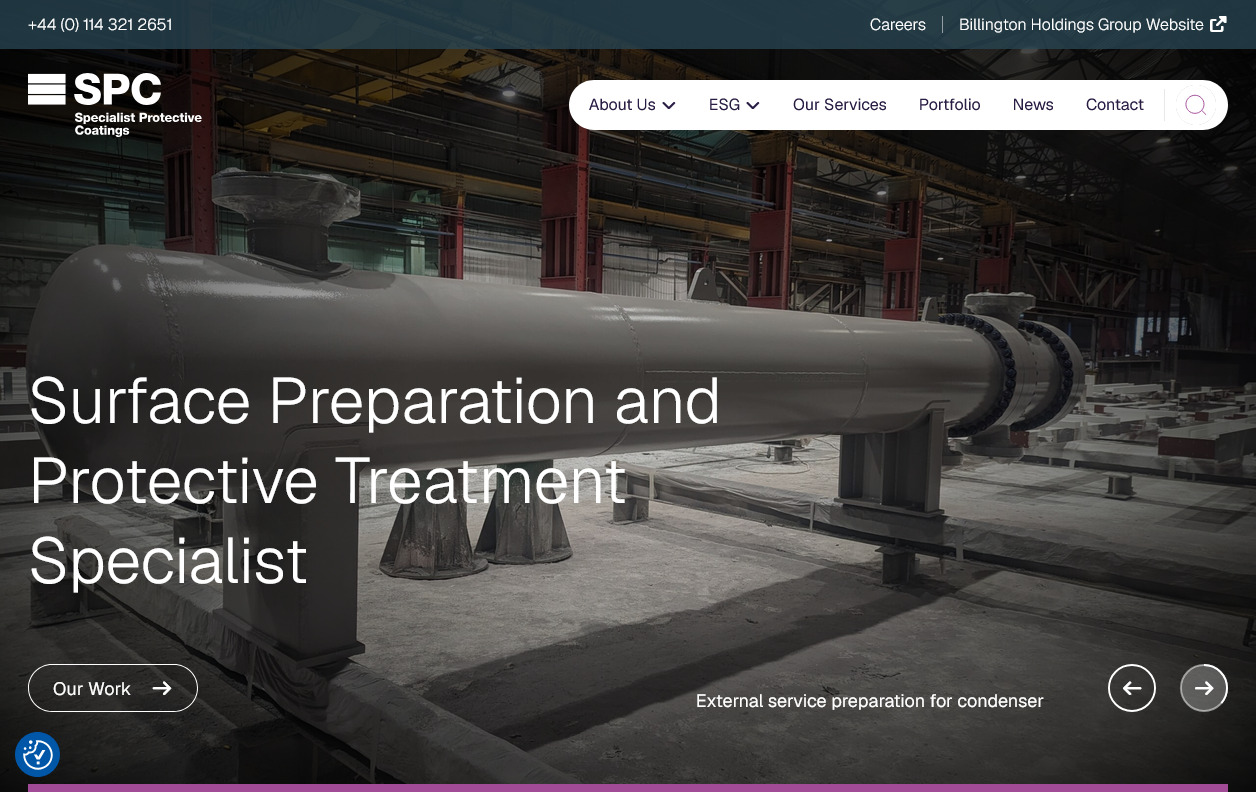
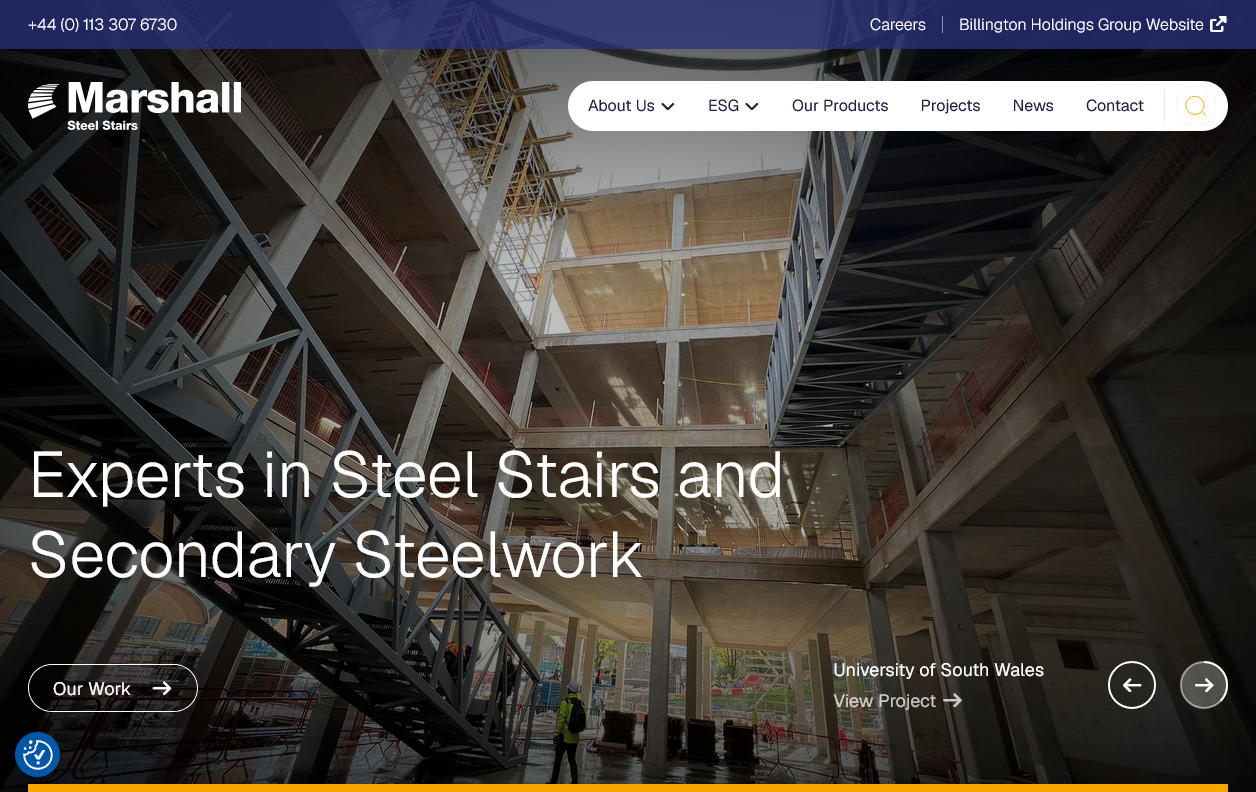
The platform launched in March 2026. Within days, the Billington marketing team were making updates independently – no support tickets, no SOPs, no waiting on a developer. Post-launch queries were minimal, and those that came through were enhancement requests, not fixes. That’s how a well-built site should land.
The WPBakery dependency is gone for good. Eight sites now run from a single backend, sharing a coherent brand identity while each subsidiary retains its own voice.
Content that once required a seven-page internal guide to update can now be changed in seconds.
We delivered onboarding in person and recorded every session so the team could revisit it at their own pace, something Chantelle flagged as genuinely useful. We continue to work with Billington on a monthly basis through our Website Care & Growth package.
“The difference in day-to-day management has been significant.”
“We're a large business with eight group companies, so we needed an agency that could handle the complexity without creating more work for us internally. Arise rebuilt all eight of our websites onto a single platform and took the time to fully understand our pain points before recommending practical solutions that made managing multiple sites far easier.
The team clearly knew what they were doing throughout the project, and the handover process was smooth from start to finish. We wouldn't hesitate to recommend them.”
Chantelle Johnston
Group Marketing Manager, Billington Holdings PLC
If your marketing team is working around your website rather than with it, or you’re managing multiple sites with no easy way to keep them aligned, we can help.
We work with complex, multi-site businesses across manufacturing, construction and professional services.