It’s one of the questions we hear most from business owners: should we be working on our organic rankings or paying to appear at the top of Google? It’s a fair question. Budgets aren’t endless, and nobody wants to put money into the wrong channel.
When it comes to SEO vs PPC, there’s no universal winner. Paid search can put you in front of customers almost straight away, while SEO builds visibility that keeps working long after the effort goes in. The trick is knowing which one fits where your business is right now. Below, we’ll walk through the differences, the timescales and the situations where each one deserves to go first.
What’s the difference between SEO and PPC?
Both SEO and PPC help your business get seen on search engines like Google. The difference comes down to how you earn that spot, and what happens when you stop investing in it.
What is SEO?
SEO (search engine optimisation) is the process of improving your website so it ranks higher in Google’s free, organic results. That covers everything that helps search engines understand and trust your site: the content on your pages, how fast and well-built your site is, and how many reputable websites link back to you. Increasingly, it also shapes how your business appears in AI-generated answers.
You can’t pay Google for organic rankings. Instead, you invest time and expertise into making your site the most useful answer for the people searching.
The catch is, it takes time. Rankings build gradually, but once they’re established, they keep bringing in visitors without you paying for every click.
What is PPC?
PPC (pay-per-click) is a form of paid advertising. You bid to appear in the sponsored results, usually at the top of the page, and pay each time someone clicks your ad.
It isn’t simply a case of the highest bidder winning, either. Google weighs your bid alongside the quality of your ad and landing page and how relevant they are to the search. That means a well-built campaign can outperform a competitor with a bigger budget.
The big advantage is speed. Once your ads are approved, you can be in front of customers almost straight away. The downside is that when the budget stops, so does the traffic.
Is PPC the same as Google Ads?
Not quite. Google Ads is the most widely used PPC platform, so the two terms often get used interchangeably, but PPC also includes Microsoft Advertising and paid social on platforms like Meta and LinkedIn. In this guide, when we talk about PPC, we mainly mean paid search ads on Google.
Organic vs paid search: how to spot the difference
On a Google results page, paid ads are labelled “Sponsored”. The standard listings below them are organic. Same page, same searchers, two very different ways of getting there.

SEO vs PPC at a glance
Short on time? Here’s how the two compare side by side.
| SEO | PPC | |
| How you pay | Time, content and expertise, with no cost per click | You pay each time someone clicks your ad |
| Speed to results | Gradual, usually months rather than weeks | Fast, often within days of launching |
| When you stop investing | Rankings can hold on for a while but fade if neglected | Traffic stops when the budget does |
| Control | Less direct, as Google decides what it ranks | High, as you choose keywords, locations, timings and spend |
| Testing | Slower feedback loop | Quick to test new messages, offers and landing pages |
| Long-term value | Builds over time, with every page adding to your visibility | Tied to ongoing spend |
| Best for | Sustainable growth, authority and a lower cost per lead over time | Launches, seasonal offers and filling gaps quickly |
A handy way to think about it: PPC is like renting a shop on the high street. You’re visible straight away, but the moment you stop paying rent, you’re out. SEO is more like buying the building. It takes longer and needs more effort upfront, but it’s yours to build on. Which one makes sense first depends on where your business is right now, and that’s what we’ll look at next.
When PPC should come first
PPC is at its best when you need results quickly or want to test the waters before committing to a longer-term strategy. Here are the situations where we’d usually recommend leading with paid search.
You’re launching something new
A new website, a new venue or a new service starts with zero organic visibility, and it can take months to build. PPC lets you put that launch in front of the right people from day one, while your SEO catches up in the background. Once your ads are approved and live, you can start seeing clicks and enquiries almost immediately.
Your offer has a deadline
Christmas party packages, summer breaks, a spring wedding fair. If your offer has a shelf life, waiting for it to rank organically means it could be over before anyone finds it. With PPC, you can switch campaigns on for the weeks that matter and pause them when the moment passes.
You want to test before you commit
Not sure which services, offers or messages will land best with your audience? PPC gives you real-world data fast. You can see which keywords drive enquiries, which headlines get clicked and which landing pages convert, then use those insights to shape your SEO and content strategy. It’s one of the best examples of the two channels working together, which we’ll come back to later.
The top organic spots are hard to win
Some searches are dominated by big national brands, directories or, for hotels, online travel agents. Competing for those organic positions can take a long time. PPC gives you a way to appear at the top of the page for high-value searches while you build your organic presence for more specific, achievable terms.
You need enquiries now
If your pipeline has gone quiet, PPC is the quickest way to turn the tap back on. A word of warning, though. PPC can only work as well as the page it sends people to. If your landing page is slow, unclear or hard to book through, you’ll be paying for clicks that don’t convert. It’s worth getting that page right before you scale up your spend.

When SEO should come first
SEO takes longer to pay off, but in the right circumstances it’s the smarter place to start. Here’s when we’d usually point a business towards organic first.
You’re playing the long game
If your goal is steady, sustainable growth rather than a short-term spike, SEO is the foundation to build on. Every well-optimised page you publish keeps working for you, and over time your cost per lead can fall as your organic visibility grows.
Your budget is tight
PPC needs ongoing spend to keep the traffic coming. SEO isn’t free, as it takes time, expertise and consistent effort, but you’re not paying for every visitor. For businesses with a limited budget, putting that money into assets you own, like your website and content, often goes further over the long term.
You rely on local customers
For restaurants, hotels, venues and other local businesses, showing up in Google Maps and the local results is crucial. A strong local SEO strategy, including a well-maintained Google Business Profile, can put you in front of people searching nearby. Paid ads can’t buy you a place in those local rankings, so the only way to earn it is organically.
Your customers do their research first
Planning a wedding, booking a corporate event or choosing a new supplier isn’t a quick decision. When your customers spend weeks comparing options, helpful content that answers their questions builds trust long before they’re ready to enquire. That’s where SEO shines, putting your expertise in front of people at every stage of their decision.
Your website needs some work
If your site is slow, hard to navigate or has technical issues holding it back, those problems will affect both channels. Google’s ad auction looks at landing page experience, so a weak site can make your ads cost more too. Fixing the foundations first means any money you put into PPC later works much harder.
How long does SEO take to work?
It’s the question every business asks, and the honest answer is: it depends. Google’s own guidance is that, in most cases, it takes four months to a year to put SEO improvements in place and start seeing the benefit. That’s a wide range, and where you land within it comes down to a few key factors.
What affects how quickly you’ll see results
Competition. Ranking for a specific local search, like a wedding venue in a particular village, is a very different task to ranking for a broad national term that hundreds of businesses are chasing.
Your website’s age and authority. An established site with a history of quality content and reputable links will usually move faster than a brand new one starting from scratch.
Technical health. If search engines struggle to crawl and understand your site, even the best content will be held back. Fixing those issues often brings some of the earliest wins.
Consistency. SEO rewards steady effort. Publishing helpful content regularly and keeping your site in good shape will get you further than a burst of activity followed by months of silence.
What to expect along the way
SEO rarely delivers one big moment. Progress tends to build in stages. The early months usually focus on auditing your site, fixing technical issues and laying the groundwork. Rankings for specific, less competitive searches often start to improve before the bigger, more competitive terms move. Over time, as your content library and authority grow, those gains start to compound.
How to tell if it’s working before the enquiries arrive
You don’t have to wait for the phone to ring to know whether your SEO is on track. Early signs of progress include:
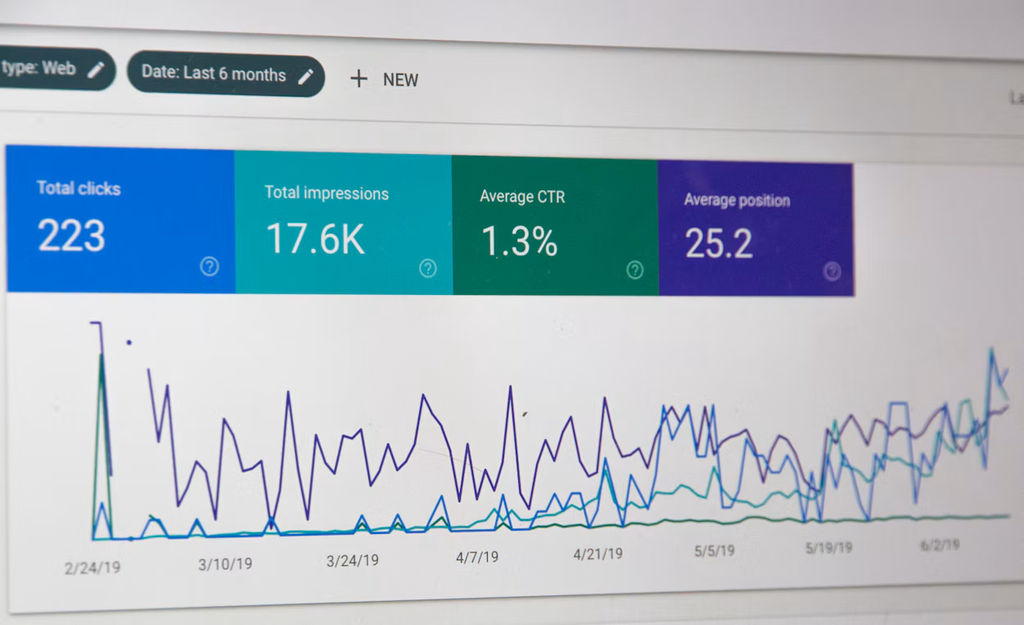
- More impressions in Google Search Console, meaning your site is appearing in more searches
- New keywords ranking on pages two and three, which often climb onto page one with time
- Rising organic clicks to the pages you’ve been working on
These signals show that momentum is building, even if enquiries take a little longer to follow.
Can you speed it up?
You can’t rush Google, but you can give yourself the best possible head start. Fix technical issues first, target achievable keywords before the most competitive ones, and update existing pages that already have some visibility. And if you need results in the meantime, that’s where PPC comes in.
Why SEO and PPC work better together
For most businesses, the real answer isn’t one or the other. SEO and PPC each cover the other’s weak spots, and running them side by side often gets you better results from both.
PPC fills the gap while SEO builds
SEO takes time to gain traction, but your business still needs enquiries in the meantime. Running PPC alongside a growing SEO strategy keeps leads coming in while your organic visibility builds. As your rankings improve, you can gradually shift budget away from the searches you now win organically.
PPC data makes your SEO smarter
PPC shows you exactly which searches lead to enquiries and bookings, often within weeks. That’s incredibly valuable for SEO. Rather than guessing which keywords are worth months of content effort, you can focus on the ones you already know convert.
Better SEO can make your PPC cheaper
Good SEO and good landing pages go hand in hand. Fast, clear, relevant pages help your organic rankings, and they also feed into Google’s assessment of your ad quality. According to Google, higher ad quality generally leads to better ad positions and lower costs. In other words, a strong website makes every pound of your ad budget work harder.
Showing up twice on the same page
Appearing in both the paid and organic results gives searchers two chances to find you and makes your business look like the obvious choice. It also brings in clicks you wouldn’t otherwise get. In a study of over 400 ad accounts that paused their search ads, Google found that on average 89% of the traffic from those ads wasn’t replaced by organic clicks.
Protecting your brand searches
This one matters for hotels in particular. When someone searches for your hotel by name, online travel agents and competitors may be bidding to appear above you. Running a small PPC campaign on your own brand name helps make sure the booking comes to you directly, rather than through a third party taking a commission.
With all of that in mind, let’s bring it back to the big question: where should you start?

Our verdict: where should you start?
If you’ve made it this far, you’ve probably spotted the theme. There’s no single right answer for every business, but there is a right answer for yours, right now.
A simple way to decide is to ask yourself one question: what does my business need more over the next three months, enquiries or foundations?
Start with PPC if…
- You need enquiries quickly to fill a gap in your pipeline
- You’re launching a new venue, service or website
- Your offer is seasonal or time-sensitive
- You want to test demand before committing to a longer-term strategy
Start with SEO if…
- You’re building for steady, long-term growth
- Your budget can’t support ongoing ad spend
- You rely on local customers finding you in Google Maps
- Your website needs work before it can turn visitors into bookings
Our recommendation for most businesses
Treat SEO and PPC as a team rather than rivals. Start with whichever channel closes your biggest gap today, but plan for both. Use PPC to bring in leads and gather data now, while SEO builds visibility that keeps working for you. As your organic rankings grow, you can gradually shift the balance and spend your ad budget where it makes the biggest difference.
The businesses we see getting the best results aren’t the ones picking a side. They’re the ones using each channel for what it does best.

How Arise can help
At Arise, we bring SEO and PPC together under one roof. Our PPC services cover strategy, campaign builds, management and audits, with a focus on enquiries and bookings rather than just clicks. Our SEO services cover technical SEO, local SEO, keyword research and content that answers what your customers are really asking.
Because both channels sit with one team, insights from each feed the other. Your PPC data shapes your SEO priorities, and improvements to your website help your ads perform better. You get one joined-up strategy, with clear reporting on what’s working.
Still weighing it up? Tell us a little about your business and goals, and we’ll point you in the right direction, whether that’s PPC, SEO or a bit of both.

Frequently asked questions
Is SEO better than PPC?
Neither is better across the board. PPC is faster and gives you more control, making it ideal for launches, seasonal offers and quick wins. SEO takes longer but builds visibility you don’t pay for per click, so it often delivers a lower cost per lead over time. The right choice depends on your goals and timeline.
What’s the difference between SEO and Google Ads?
SEO improves your website so it ranks in Google’s free, organic results. Google Ads is Google’s paid advertising platform, where you bid to appear in the sponsored results and pay each time someone clicks. SEO builds visibility gradually, while Google Ads can put you in front of searchers almost straight away.
Is SEO worth it for small businesses?
Yes, especially for local businesses. A well-optimised website and Google Business Profile can help you appear when nearby customers search for what you offer, without paying for every click. SEO takes time and consistent effort, but the visibility you build keeps working for you long after the work is done.
Can PPC help my SEO?
Not directly. Running ads won’t improve your organic rankings, as Google keeps its paid and organic results separate. Indirectly, though, PPC can be a big help. It shows you which keywords lead to enquiries, which messages get clicked and which pages convert, so you can focus your SEO efforts where they’ll make the most difference.
How much should I spend on PPC?
It depends on your industry, location and how competitive your keywords are. Google Ads lets you set your own budget, so you’re always in control of spend. The key is investing enough to gather meaningful data, then refining your campaigns over time. A PPC specialist can forecast what different budgets could realistically achieve for your business.