In the world of digital marketing, numbers tell the story. Tracking the right SEO metrics can help marketers and business owners make smarter decisions, allocate budget effectively, and build strategies that deliver sustainable organic growth.
But with so many metrics available, it’s easy to get lost in the data. That’s why understanding which KPIs actually matter, and how to interpret them, is essential. In this guide, we’ll break down the most important SEO metrics, explain why they matter, and show you how to use them to improve your website’s performance.
What Are SEO Metrics and KPIs?
SEO metrics are data points that help evaluate your website’s visibility, performance, and user engagement in search engines. They tell you what’s happening on your site.
KPIs (Key Performance Indicators) go a step further — they’re the strategic metrics tied directly to your business goals. For example, “organic traffic” is a metric, while “increasing organic traffic by 30% this quarter” is a KPI.
This distinction matters because not every metric will be a priority for your business. A good SEO strategy focuses on the KPIs that actually drive impact.
Why Tracking the Right SEO Metrics Matters
Measuring performance is one of the biggest advantages of digital over traditional marketing. Instead of relying on guesswork, you can use data-driven insights to refine your SEO strategy.
Tracking the right metrics allows you to:
- Understand how users find and interact with your website
- Identify what’s driving growth — and what isn’t
- Make confident, informed decisions about your next steps
- Align marketing activity with real business goals
Consistent measurement turns SEO from a vague activity into a clear, measurable channel that impacts revenue.

Core SEO Metrics You Should Monitor
Every website is different, but some SEO metrics are universally valuable. These metrics give you a clear picture of how your website is performing and where there’s room to grow.
Organic Traffic & Sessions
This metric shows how many users visit your site from organic search results. It’s one of the clearest indicators of SEO success.
A steady increase in organic sessions usually means your visibility in search engines is improving. Track this through Google Analytics 4 to identify seasonal trends, content performance, and overall growth.
Keyword Rankings & Visibility
Ranking for the right keywords is key to reaching your audience. Monitoring keyword positions and overall SERP visibility helps you understand how your SEO strategy aligns with user intent.
Tools like SEMrush or Ahrefs give insight into ranking movements, featured snippets, and opportunities to capture more search share.
Click-Through Rate (CTR) from Search Results
CTR measures how often people click on your page after seeing it in the search results. A high CTR means your title tags and meta descriptions are doing their job.
If impressions are high but CTR is low, it’s a sign your search snippets could be more compelling or better aligned with intent.
Conversion Rate & Goal Completions
Ultimately, traffic alone doesn’t pay the bills. Conversion metrics tell you how well your organic traffic turns into meaningful actions, enquiries, purchases, downloads, or sign-ups. These metrics tie SEO performance directly to business outcomes.
Bounce Rate & Engagement Metrics (Dwell Time, Pages per Session)
Engagement metrics help you understand the quality of your traffic. If users are bouncing quickly, it could signal misaligned content, slow page speeds, or poor UX.
On the other hand, longer dwell times and more page views suggest your content resonates with users.
Backlinks & Domain Authority
Backlinks remain one of Google’s strongest ranking factors. Tracking your backlink profile and overall Domain Authority gives insight into your site’s authority and competitiveness.
Regular link monitoring also helps you spot new opportunities and avoid spammy links that can harm rankings.
Technical Health Metrics (Core Web Vitals, Crawlability, Indexability)
Even the best content won’t rank if your site isn’t technically sound. Monitoring technical SEO ensures search engines can crawl, render, and index your site efficiently.
Key technical metrics include Core Web Vitals (LCP, CLS, FID), mobile-friendliness, and indexing coverage.

Tools & Dashboards to Track Your SEO Metrics Efficiently
With the right tools, monitoring SEO becomes faster and more accurate. Here are some essentials:
- Google Analytics 4 (GA4) – Ideal for tracking organic traffic, sessions, and conversions.
- Google Search Console – Insight into keyword performance, CTR, and indexing issues.
- Ahrefs / SEMrush / Moz – Useful for keyword tracking, backlink monitoring, and visibility reports.
- Looker Studio – Great for creating real-time dashboards and reports.
Screaming Frog / Sitebulb – Technical SEO audits for crawlability and health checks.
Using a combination of these tools allows you to see the bigger picture without wasting time pulling data manually.
Turning SEO Metrics Into Actionable Insights
Collecting data is only the first step, real SEO success comes from knowing how to interpret that data and turn it into meaningful action. SEO metrics give you a snapshot of performance, but it’s the story behind the numbers that guides smarter decisions.
The key is to analyse these metrics in relation to one another, not in isolation. A single data point rarely explains why performance is up or down. For example:
- 1. High traffic but low conversions: This often means your content is bringing people in but not persuading them to take action. Consider whether your landing page aligns with search intent, improve your calls to action (CTAs), and review the user journey to remove friction.
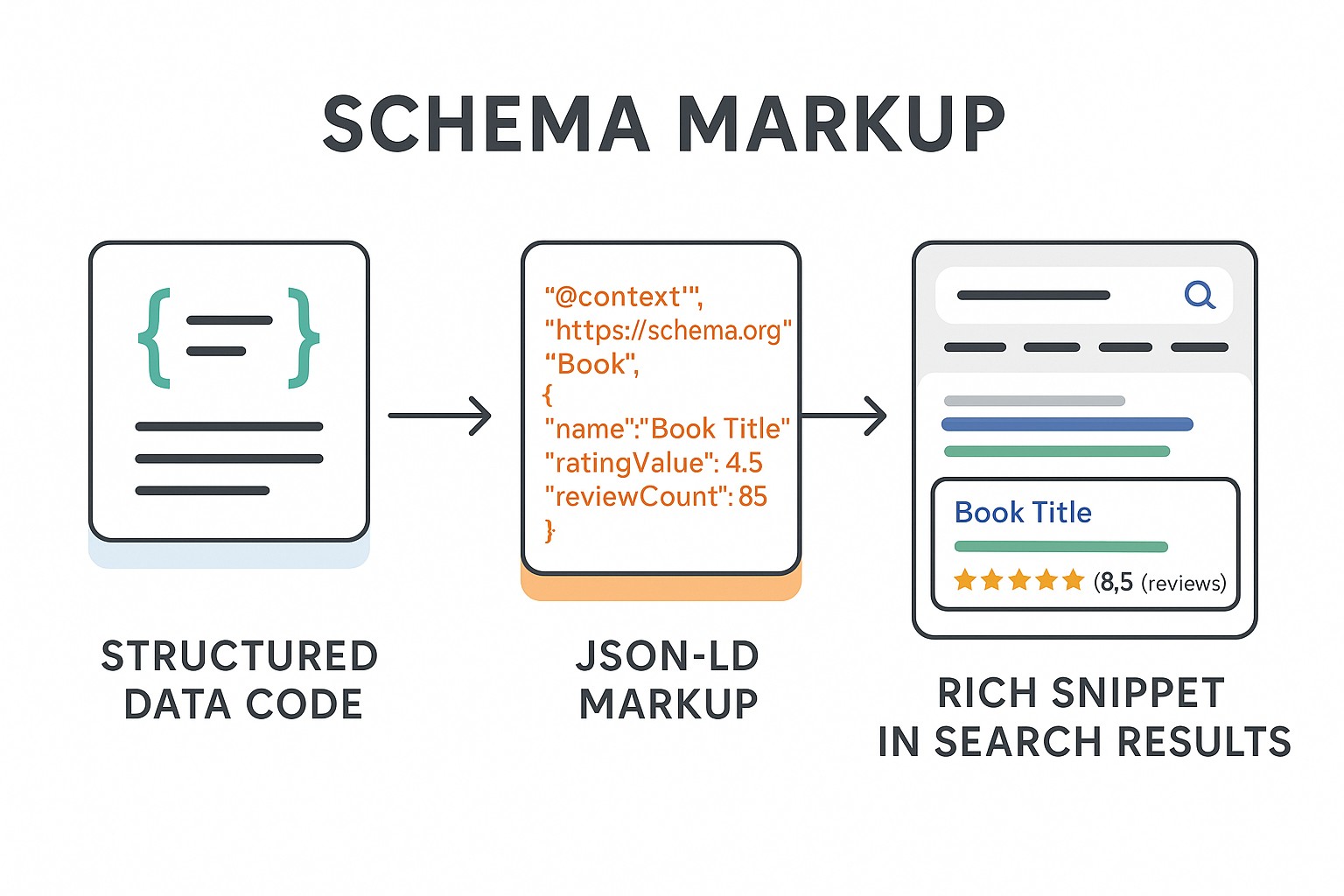
- 2. Strong rankings but low CTR: Good rankings won’t deliver results if users aren’t clicking. This can indicate your meta titles or descriptions aren’t compelling enough, or that your content doesn’t stand out on the SERP. Refresh your snippets with clearer value propositions, emotional triggers, or structured data enhancements.
- 3. Good engagement but limited impressions: If users who find your site are spending time and interacting with content, but overall visibility is low, your keyword strategy might be too narrow. Expanding your keyword coverage, targeting new related topics, or improving internal linking can help widen your reach.
4. High impressions but declining positions: This can signal growing competition or algorithmic shifts. Monitor SERP trends, evaluate competitors, and strengthen content depth and E-E-A-T signals (Experience, Expertise, Authoritativeness, Trustworthiness).
Turning raw numbers into strategic insights also means tracking how improvements affect business outcomes, not just rankings. When done right, this process helps:
- Prioritise SEO tasks that have the greatest impact.
- Allocate resources more effectively.
- Align content strategy with real user intent.
- Build a long-term, data-led SEO roadmap.
Ultimately, metrics are most valuable when they guide clear, purposeful actions. The more strategically you interpret them, the more control you gain over your organic growth.

From SEO Data to Business Growth
SEO metrics aren’t just for reports, they’re powerful tools for growth. By understanding what the numbers mean, you can prioritise the right actions, allocate resources wisely, and make smarter strategic decisions.
When SEO is measured effectively, it stops being a “nice to have” and becomes a core business driver.
Ready to Take Your SEO to the Next Level?
If you’re ready to turn SEO metrics into results, our SEO team at Arise can help. From technical audits and keyword strategies to ongoing optimisation and content planning, we’ll work with you to build a strategy that drives sustainable growth.
Learn more about our SEO services and let’s talk about your next steps.